
The 2020 Reality Check: Let’s be honest about human nature—whenever the government or officials mention emergency preparedness, the internet immediately pictures doomsday preppers building underground bunkers. But let's cast our minds back to March 2020. COVID caught us all completely by surprise. Overnight, normal life ground to a halt, and supermarket shelves were stripped bare. Remember the toilet rolls situation?? A 3-day buffer isn't about panic; it’s about acknowledging that supply chains can face unexpected pressure.
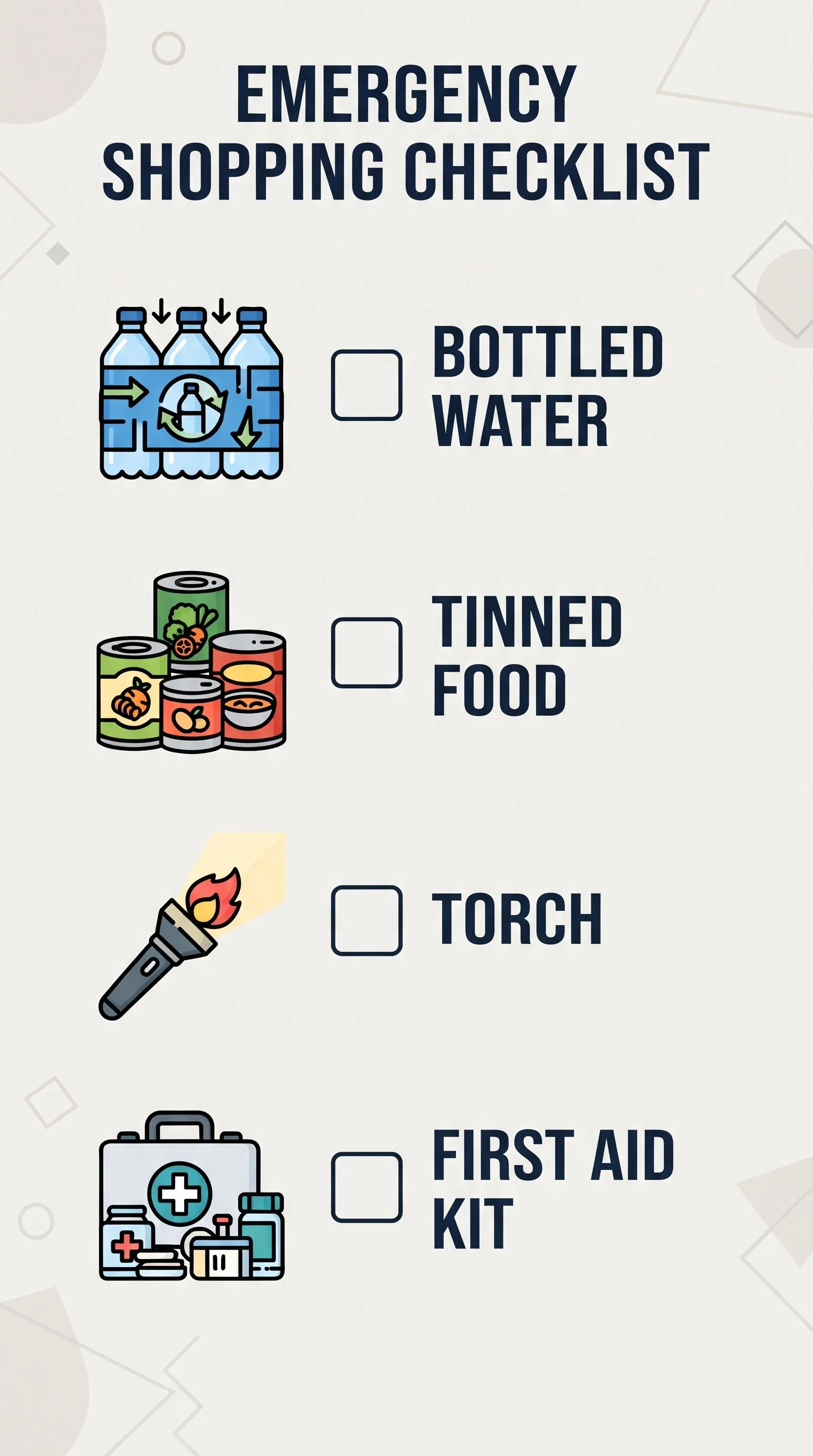
Stepping Up Our Resilience: As figures like Wes Streeting have pointed out, making our country and our homes more resilient is something to be encouraged. Modern life relies heavily on complex digital infrastructure, power grids, and card payment systems. Having a small safety net—a few litres of water, some long-life tinned food, a torch, and a bit of cash—means a minor power cut or IT outage doesn't instantly turn into a crisis for your household.
The "Slow Build" Approach: You don’t need to spend a hundred quid in one go and clear out the local aisles. The smartest way to do it—and the way Flash and I are handling it—is the gradual approach. Drop an extra £3 or £4 worth of long-life staples or bottled water into your basket during your regular weekly shop. Over a few weeks, you naturally build a secure 3-day buffer without feeling any pinch on your wallet. And yes, that includes making sure Flash has his own extra pouches of food and water set aside too!
Common Sense, Not Fear: Preparedness shouldn't be driven by fear; it should be driven by peace of mind. Just like locking your front door or having insurance, keeping a few essentials tucked away is just sensible modern living. We don't need to overreact, but we do need to be smart.
Are We Ready for the Unexpected? Why Flash and I Are Taking the Government’s Emergency Advice Seriously

Next
Next